When most men prepare for prostate surgery, they focus on the operation itself. They research surgeons, compare treatment options and ask questions about success rates and cancer outcomes. What many don’t realize is that the real challenge often begins after they leave the hospital.
The surgery may be over, but recovery is just beginning.
Unfortunately, many patients discover that the information they receive before surgery doesn’t fully prepare them for the physical, emotional and lifestyle changes that follow. Doctors explain the procedure, discuss risks and review discharge instructions, but there are countless aspects of recovery that patients only learn through experience.
One of the biggest surprises is how long recovery can actually take.
Many men assume they will be back to normal within a few weeks. While surgical wounds may heal relatively quickly, recovery of urinary control, sexual function, energy levels and confidence often takes months and sometimes years. Progress is rarely linear. Some days feel encouraging, while others leave you wondering if you will ever feel like yourself again.
Another reality that catches many men off guard is urinary incontinence.
Even when patients know leakage is a possibility, few understand how emotionally challenging it can be. Suddenly planning outings around bathroom access, wearing protective pads or worrying about accidents can affect confidence and social life in ways few people expect. The good news is that most men improve significantly with time and proper rehabilitation, but the journey requires patience.
Then there’s the issue nobody wants to talk about but everyone worries about: sexual recovery.
Many men expect that if they had nerve-sparing surgery, erectile function will return quickly. The reality is often very different. Nerve healing takes time. For some men, meaningful improvement doesn’t occur until twelve to twenty-four months after surgery. Understanding this timeline can prevent unnecessary fear and frustration during the recovery process.
What patients also aren’t told often enough is how emotional recovery can be.
Anxiety about PSA tests. Fear of cancer recurrence. Frustration over slow progress. Changes in self-confidence and identity. These feelings are incredibly common, yet many men suffer in silence because they believe they’re supposed to handle everything on their own.
Recovery affects relationships as well.
Partners often want to help but may not know how. Couples frequently struggle with communication, intimacy changes and differing expectations about recovery. Honest conversations become just as important as physical rehabilitation exercises.
Perhaps the biggest lesson most survivors eventually learn is that recovery isn’t passive.
The men who achieve the best outcomes are often those who actively participate in their healing. They perform pelvic floor exercises consistently. They follow rehabilitation programs. They focus on nutrition, physical activity, sleep and mental health. They ask questions, seek support and advocate for themselves when progress stalls.
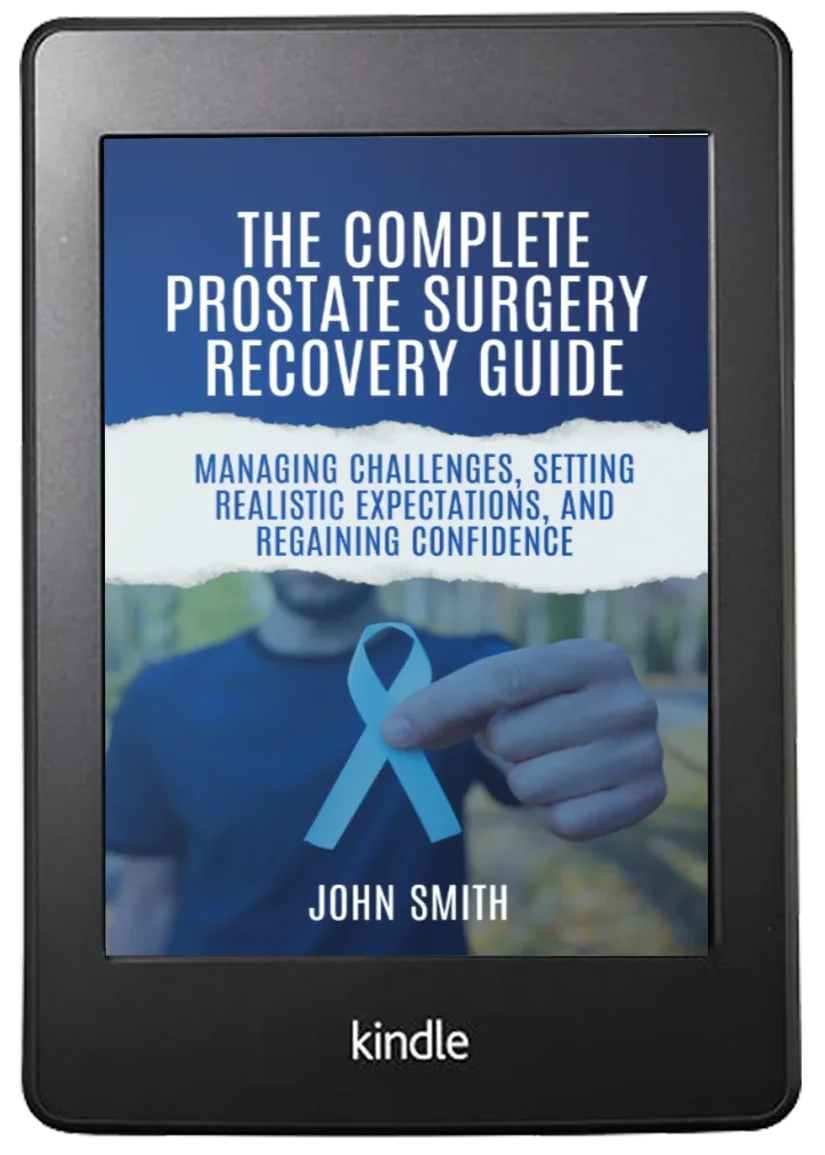
These are exactly the challenges explored in The Complete Prostate Surgery Recovery Guide: Managing Challenges, Setting Realistic Expectations, and Regaining Confidence by John Smith.
Unlike many resources that focus only on surgery and immediate aftercare, this comprehensive guide addresses the entire recovery journey from catheter removal and continence recovery to sexual rehabilitation, emotional wellbeing, lifestyle changes, complication management and long-term quality of life.
Most importantly, it provides something many patients desperately need: realistic expectations.
Recovery after prostate surgery is rarely easy, but it is manageable with the right information and support. When you understand what lies ahead, you can replace fear and uncertainty with confidence, preparation and hope.
Because what nobody tells you about recovering from prostate surgery is that while the journey may be challenging, you do not have to navigate it alone.