A good night’s sleep can become surprisingly difficult after prostate surgery. Even men who slept well before their procedure may find themselves waking frequently, struggling to get comfortable, or feeling exhausted despite spending plenty of time in bed.
During the early stages of recovery, several factors can interfere with normal sleep. Surgical discomfort can make familiar sleeping positions uncomfortable. Catheter management may also require adjustments, particularly when turning in bed or getting up during the night.
After catheter removal, nighttime urination can continue disrupting rest. Urinary urgency, concerns about leakage, and repeated bathroom visits may cause fragmented sleep. Some men become so worried about having an accident that they wake frequently to use the bathroom even when their bladder is not particularly full.
The emotional impact of prostate cancer and surgery can make matters worse. Quiet nighttime hours can give worries more room to surface. Thoughts about PSA results, cancer recurrence, urinary control, sexual function, and the pace of recovery can make it difficult to relax.
Poor sleep can then affect the following day. Fatigue may reduce motivation to walk, exercise, prepare nutritious meals, or complete rehabilitation activities. Irritability and difficulty concentrating can also make an already demanding recovery feel harder.
Improving sleep often begins with consistent habits. Keep a regular bedtime and waking schedule where possible. Gentle daytime activity can support healthier sleep while also helping physical recovery. Discuss appropriate activity levels with your healthcare team before increasing exercise.
Consider how evening habits affect your nights. Large amounts of fluid close to bedtime may contribute to bathroom visits, although reducing fluids excessively is not the answer. Caffeine later in the day may also interfere with sleep. Your medical team can help you balance hydration needs with nighttime urinary symptoms.
Make the bedroom comfortable and reduce unnecessary stimulation before bed. If anxiety repeatedly keeps you awake, relaxation exercises, slow breathing, or another calming routine may help settle your mind.
Persistent sleep problems deserve attention. Severe pain, significant urinary symptoms, worsening anxiety, depression, or prolonged insomnia should be discussed with an appropriate healthcare professional rather than accepted as an unavoidable part of recovery.
Rest is not simply time spent doing nothing. Sleep supports the healing process, energy, emotional wellbeing, and your ability to participate consistently in rehabilitation.
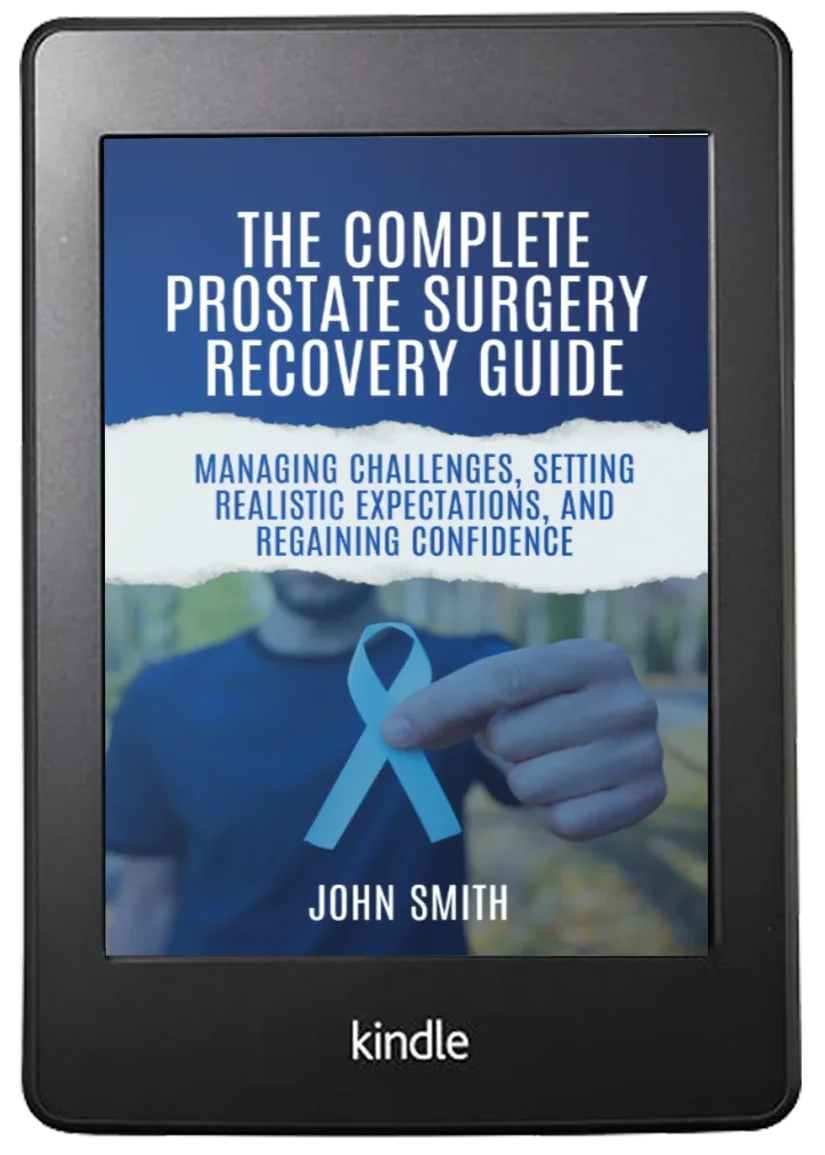
The Complete Prostate Surgery Recovery Guide looks beyond the surgical wound to address the everyday realities of healing after prostatectomy.
Readers will find practical guidance on sleep, physical activity, nutrition, urinary control, pelvic floor rehabilitation, sexual function, emotional health, relationships, complications, and long term recovery.
If you are wondering what is normal, what you can do to support your recovery, and when a problem deserves professional attention, The Complete Prostate Surgery Recovery Guide provides a practical roadmap for navigating the months after surgery with greater understanding and confidence.
Take control of your recovery. Order your copy today and start healing with confidence! https://www.amazon.com/dp/B0G7H5JZPY/