The first two weeks after prostatectomy can be physically demanding and emotionally unsettling. You may leave the hospital relieved that surgery is over, only to discover that recovery brings a new set of questions. Knowing what is expected during this period can make the experience easier to manage.
Most men go home with a urinary catheter in place. The catheter allows urine to drain while the surgical connection between the bladder and urethra heals. Mild discomfort, bladder spasms, and occasional blood tinged urine can occur during this stage. The drainage bag will need regular emptying, and the tubing should remain secured to prevent pulling.
Fatigue is also common. Your body is recovering from major surgery, anesthesia, disrupted sleep, and medication. Simple activities such as showering, walking around the house, or climbing stairs may leave you tired. Rest is important, but remaining completely inactive is usually discouraged. Short, gentle walks can support circulation, bowel function, and gradual physical recovery.
Some soreness around the surgical areas is expected. Mild swelling or tenderness around the abdomen may also occur. Men can sometimes notice temporary swelling around the penis or scrotum. These changes usually improve as healing progresses.
Constipation is another frequent concern. Pain medication, reduced activity, changes in appetite, and dehydration may contribute. Adequate fluids, suitable foods, gentle movement, and any bowel care recommended by your medical team can help reduce discomfort.
Catheter removal is often one of the most anticipated moments of early recovery. Once it is removed, however, urinary leakage is very common. Some men are surprised by how little control they initially have. Leakage when standing, coughing, walking, or changing position can occur while the urinary muscles adapt.
Certain symptoms should not simply be accepted as routine recovery. Fever, worsening pain, increasing redness around an incision, unusual drainage, foul smelling urine, inability of the catheter to drain, heavy bleeding, significant swelling, or sudden deterioration should be reported to the medical team. Severe or rapidly worsening symptoms require prompt medical attention.
The first two weeks are not a test of how quickly you can return to normal. They are a period of healing, adjustment, and gradual progress. Your surgeon’s instructions should always guide activity, medication, catheter care, and follow up.
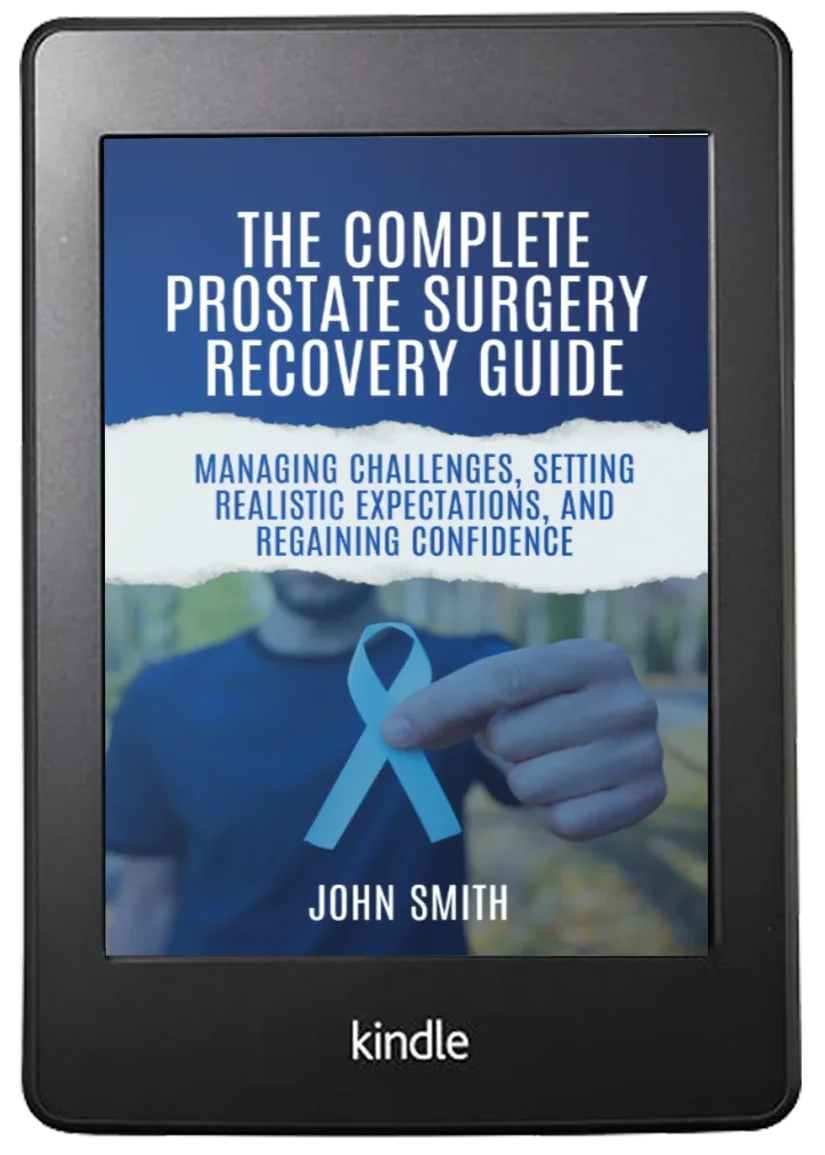
The Complete Prostate Surgery Recovery Guide was written for men and families who want practical answers beyond basic discharge instructions.
The book covers catheter care, urinary control, pelvic floor rehabilitation, sexual recovery, physical activity, nutrition, emotional health, complications, relationships, and long term recovery. It helps readers understand what may happen at each stage and what questions should be discussed with their healthcare team.
For anyone preparing for prostatectomy or already navigating the first difficult weeks, this guide offers a clearer picture of the road ahead.
Take control of your recovery. Order your copy today and start healing with confidence! https://www.amazon.com/dp/B0G7H5JZPY/