A prostatectomy can remove cancer and protect a man’s long term health, but recovery often brings physical and emotional challenges. These difficulties vary from one patient to another, yet several concerns appear frequently during the weeks and months after surgery.
Urinary incontinence is one of the most common problems. After the prostate is removed, the muscles responsible for controlling urine must adjust to changes around the bladder and urethra. Leakage may happen while walking, coughing, laughing, standing, or lifting. Some men improve within weeks, while others need several months of pelvic floor rehabilitation before they regain reliable control.
Erectile dysfunction is another major concern. The nerves and blood vessels involved in erections are located close to the prostate and may be affected during surgery. Even when nerve sparing surgery is possible, erections may not return immediately. Recovery can take time and may involve medication, vacuum devices, injections, pelvic rehabilitation, or other treatments recommended by a doctor.
Fatigue and reduced strength can also affect daily life. The body uses considerable energy to heal, and activity is limited during the early stages of recovery. Men may become tired after short walks or simple household tasks. Gradual movement, balanced nutrition, adequate protein, hydration, and proper rest can support physical improvement.
Bowel changes and constipation are also common. Pain medication, reduced movement, dietary changes, and fear of straining can make bowel movements difficult. Fibre rich foods, fluids, gentle walking, and prescribed stool softeners may help protect the healing surgical area.
Many men also experience emotional strain. Anxiety about cancer, frustration with leakage, concern about sexual function, and changes in body confidence can affect mood and relationships. Some men withdraw from social situations because they fear accidents or feel embarrassed. Honest communication with partners, support groups, counsellors, and healthcare professionals can reduce isolation.
Recovery may also create tension between expectations and reality. Progress is rarely perfectly steady. A man may have several good days followed by unexpected leakage, soreness, or fatigue. These setbacks do not always mean that recovery has failed. Healing often happens gradually.
Persistent pain, fever, heavy bleeding, difficulty urinating, worsening swelling, or symptoms that interfere with daily life should be reported to a medical professional.
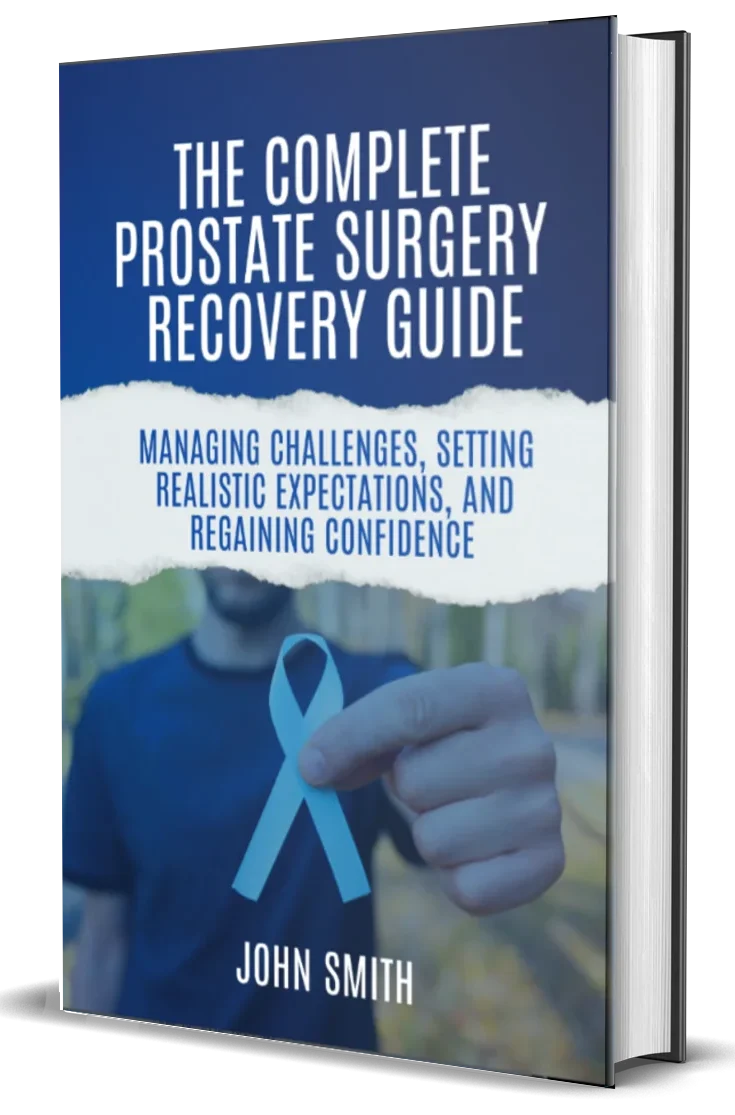
The Complete Prostate Surgery Recovery Guide addresses urinary control, sexual rehabilitation, nutrition, exercise, emotional wellbeing, and long term recovery. It gives patients and their families practical information for managing common difficulties and preparing for each stage after prostatectomy.
Take control of your recovery. Order your copy today and start healing with confidence! https://www.amazon.com/dp/B0G7H5JZPY/