Recovering from a prostatectomy places extra demands on the body. Tissues must repair themselves, surgical wounds need to close, and muscles weakened by inactivity must regain strength. Protein supports each of these processes, making it an important part of post-surgery nutrition.
Protein supplies amino acids, which the body uses to rebuild damaged tissue and produce new cells. After prostate surgery, these nutrients help repair the incision sites and the internal area where the bladder has been reconnected to the urethra. Eating enough protein may also support the immune system as it protects the healing body from infection.
Protein is particularly valuable for preserving muscle. Patients often move less during the early days of recovery because of fatigue, discomfort, catheter use, or activity restrictions. Reduced movement can lead to a loss of strength, especially in older adults. Regular protein intake, combined with gentle activity approved by the surgical team, can help maintain muscle and support a gradual return to normal routines.
Strong muscles are also important for bladder recovery. Pelvic floor exercises target the muscles involved in urinary control, but those muscles need proper nutrition to respond to rehabilitation. Protein alone will not stop urinary leakage, yet it can support the wider recovery process that allows muscles to become stronger over time.
Good protein sources include eggs, fish, poultry, lean meat, beans, lentils, yoghurt, cottage cheese, tofu, and other soy products. Patients with a limited appetite may find smaller meals easier to manage. Adding yoghurt to breakfast, eggs to a light meal, or beans to soup can increase protein without requiring a large portion.
Protein should be eaten as part of a balanced diet that also includes vegetables, fruit, whole grains, healthy fats, and adequate fluids. Fibre and hydration are especially important because constipation is common after surgery and may worsen when physical activity is reduced or pain medication is being used.
Individual protein needs vary according to age, body size, medical history, activity level, and kidney function. Patients with kidney disease or other dietary restrictions should speak with their doctor or a registered dietitian before making major changes.
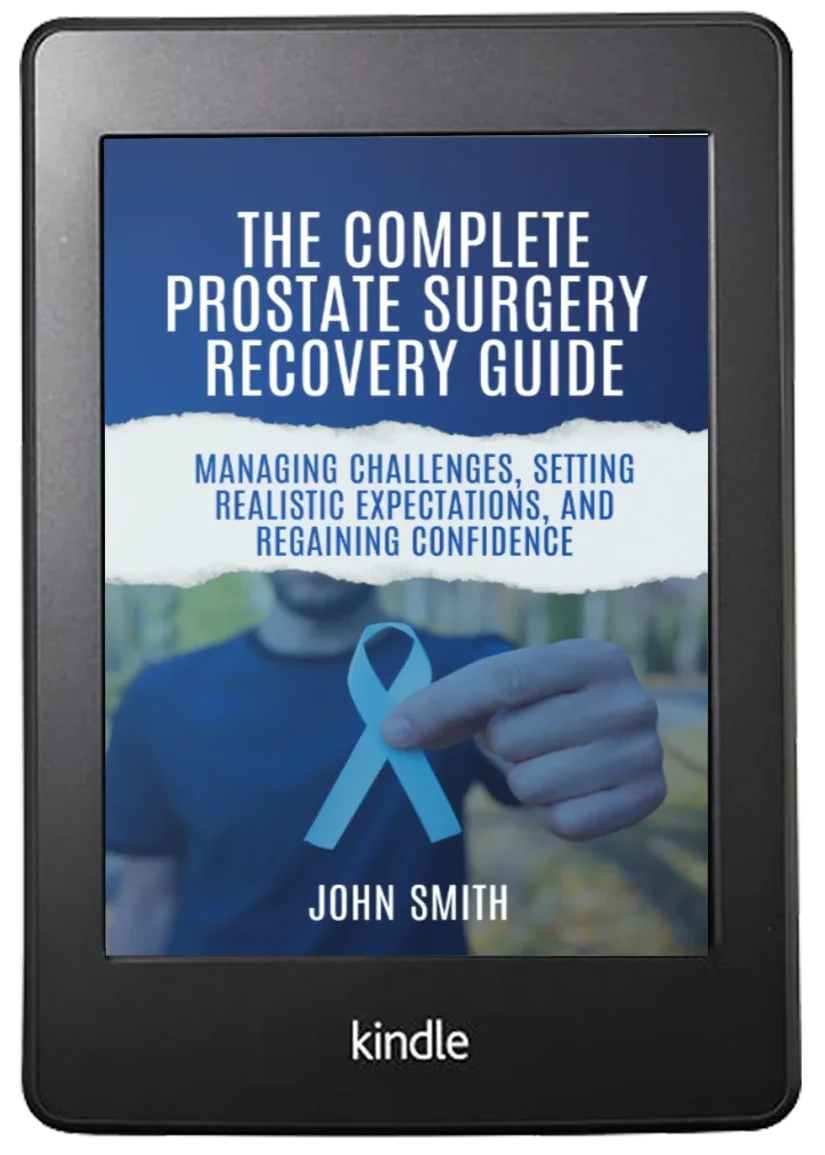
The Complete Prostate Surgery Recovery Guide helps readers understand how nutrition, movement, pelvic floor rehabilitation, bladder care, sexual health, and emotional wellbeing work together after surgery. With practical guidance for each stage, the book offers patients and their families a clearer path through prostatectomy recovery.
Take control of your recovery. Order your copy today and start healing with confidence! https://www.amazon.com/dp/B0G7H5JZPY/