If you have recently undergone prostate surgery, chances are you have heard the same piece of advice repeatedly:
“Do your Kegel exercises.”
It sounds simple enough. Tighten a few muscles, repeat several times a day and eventually your bladder control will improve.
But here’s the truth: many patients aren’t told that Kegel exercises are important, but they are not magic. And doing them incorrectly or having unrealistic expectations about what they can achieve can lead to frustration and disappointment during recovery.
Understanding what Kegel exercises actually do, how they work and what results you can realistically expect is essential for a successful recovery after prostate surgery.
After a prostatectomy, the muscles responsible for urinary control must adapt to significant anatomical changes. The prostate, which once contributed to urinary function, has been removed. As a result, the pelvic floor muscles must take on a greater role in maintaining continence.
Kegel exercises are designed to strengthen these muscles.
When performed consistently and correctly, they can improve muscle coordination, increase strength and help reduce urinary leakage over time. Numerous studies have shown that pelvic floor muscle training can accelerate continence recovery following prostate surgery.
However, one of the biggest misconceptions is that results happen quickly.
Many men begin Kegel exercises expecting major improvements within days or weeks. When leakage continues, they assume the exercises aren’t working or that something is wrong. In reality, recovery often takes months. The pelvic floor muscles need time to strengthen and the body’s continence mechanisms need time to adapt and heal.
Another challenge is that many men perform the exercises incorrectly.
Instead of contracting the pelvic floor, they tighten their abdominal muscles, buttocks or thighs. Some even hold their breath during contractions, creating unnecessary pressure that can actually work against recovery. Without proper technique, hundreds of repetitions may provide little benefit.
This is why many continence specialists recommend working with a pelvic floor physiotherapist whenever possible. Professional guidance can help ensure you are targeting the correct muscles and following a structured progression rather than simply guessing.
Consistency matters far more than intensity.
Doing a few well-executed exercises every day is far more effective than performing large numbers of contractions sporadically. Pelvic floor rehabilitation is similar to strength training for any other muscle group; it requires patience, repetition and gradual improvement.
It is also important to understand that Kegel exercises are only one part of the recovery process.
Walking, maintaining a healthy weight, managing constipation, avoiding excessive straining and following your surgeon’s activity guidelines all contribute to continence recovery. For some men, lifestyle factors can have just as much impact as pelvic floor training itself.
And if progress seems slow, don’t lose hope.
Many men continue seeing meaningful improvements in bladder control for twelve months or longer after surgery. Recovery rarely follows a straight line. Good days and bad days are both part of the process.
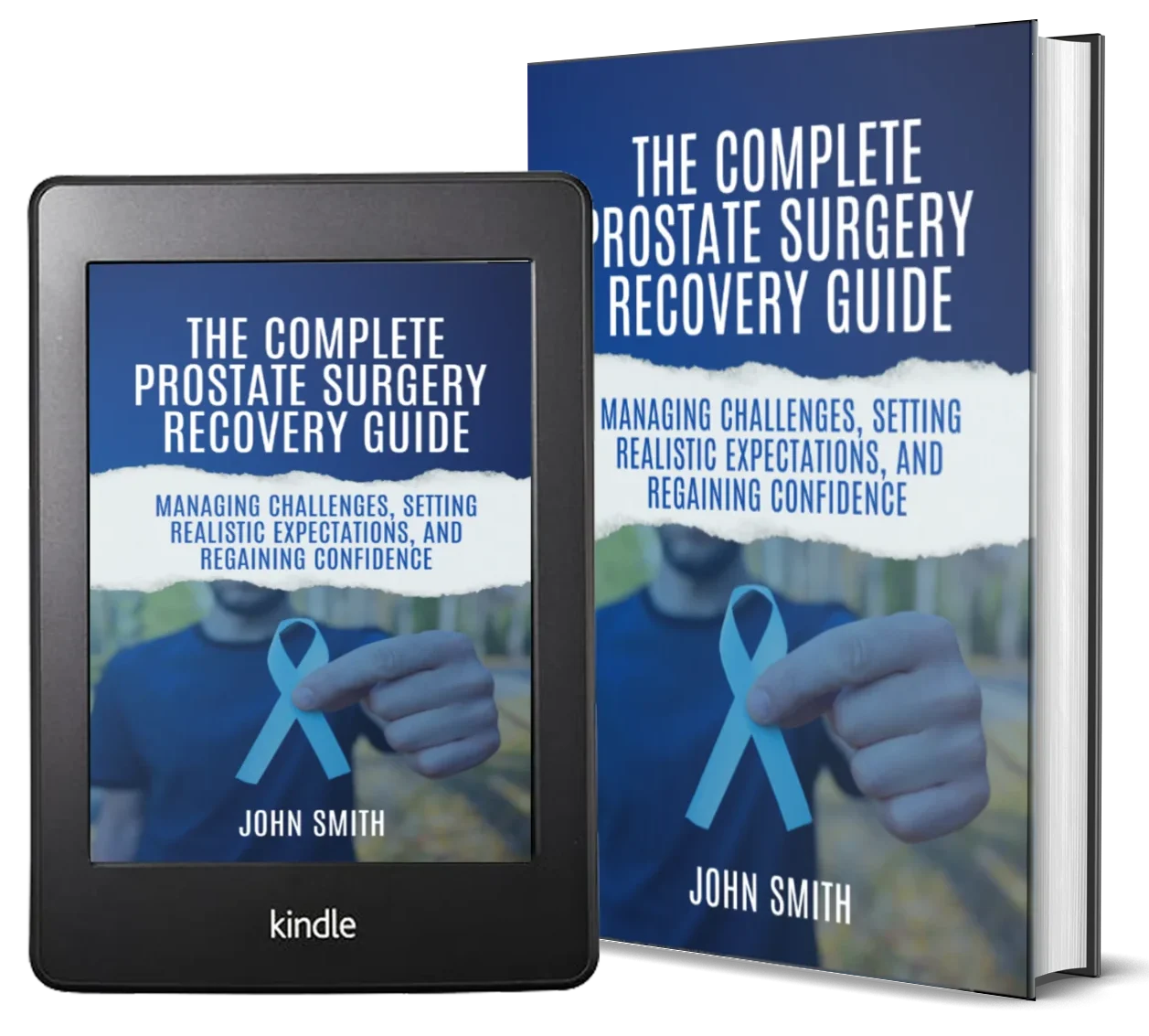
These realities are explored in detail in The Complete Prostate Surgery Recovery Guide: Managing Challenges, Setting Realistic Expectations, and Regaining Confidence by John Smith.
The book provides practical, evidence-based guidance on pelvic floor rehabilitation, continence recovery timelines, common mistakes patients make and strategies for rebuilding confidence throughout the recovery journey. It also addresses the emotional challenges that often accompany urinary leakage and helps patients understand what is normal and what may require additional medical attention.
The truth about Kegel exercises is simple: they are one of the most valuable tools for recovery after prostate surgery, but they work best when combined with patience, proper technique, realistic expectations and a comprehensive recovery plan.
With the right approach, steady progress is possible and every step forward brings you closer to regaining control, confidence and quality of life.